The board had seen a compelling presentation on zero trust. It explained the benefits clearly. The work required to get there needed a separate discussion.
They were impressed, and they were right to be. The instinct was sound, and I shared it. Our environment did need to move in that direction.
Then came the question. Are we safe? Can we have this?
The honest answer, not the easy one
I could give them real assurance on part of it. We had working defenses in place, and I said so. What I would not do was let the room leave, believing zero trust was a purchase we could approve that quarter and switch on the next. My job in that meeting was not to match the confidence of the slide. It was to make the dependency visible, so the board could make a sound decision rather than an exciting one.
So, I told them where we actually stood. Zero trust is not a product you install. It is an architecture. NIST's SP 800-207 describes a model in which access depends on explicit authentication and authorization, with no implicit trust based on network location. In our environment, the first gap we needed to address was identity. We had the scattered, inconsistent kind of identity setup that most organizations accumulate over years.
Build continuous verification on a scattered identity setup, and you are fitting a vault door to a paper wall.
That was the gap I was responsible for naming. Not zero trust first. Identity first. A proper single sign-on framework and a modern identity and access foundation, as the dependency that everything else would stand on. Given the state of our systems, identity was the first investment we needed to make.
The window that made it practical
What turned that recommendation into something the board could act on was timing, and I pushed hard to use it.
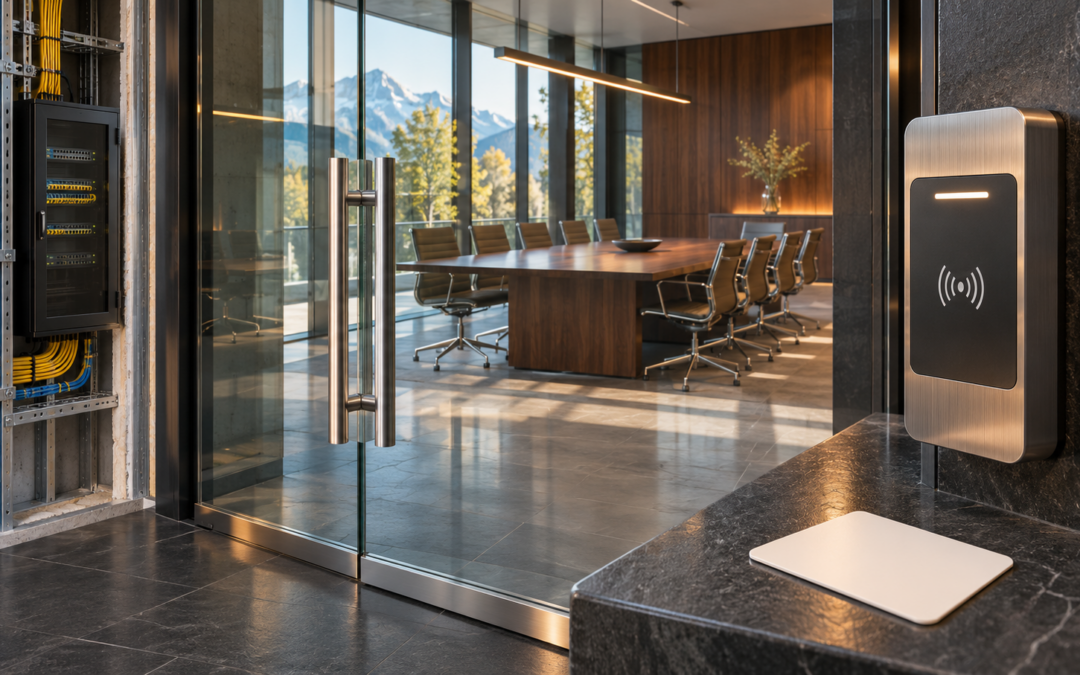
In parallel, the company was moving everyone into a new building on a freshly built network. That is the rarest thing in enterprise IT: a clean start. Identity work is usually a painful retrofit onto live systems nobody can afford to take down. Here we could build the identity foundation and the network together, aligned from the first day, instead of bolting one onto the other later.
I made that case to the board directly. The investment they were weighing was not an abstract security program with no end in sight. It was a chance to build the foundation at the exact moment the new environment was going up, at a fraction of the disruption it would cost later. That reframing is what moved it from an impressive idea into an approved plan. They backed the phased approach: identity foundation first, inside the new build, with zero trust as the direction it was laid out to support.
The result
The foundation went in with the new network rather than after it, and the difference showed quickly. We had consistent access policies across the new building and across the overseas subsidiaries, governed through one framework instead of many local ones.
We also moved to stronger authentication. That brought friction in the early weeks. As people became familiar with the process, it became part of daily work, and we had taken a genuine step up in security.
Once the framework was established, we brought additional applications under it one by one, faster than I had expected.
The insight you can use
When leadership is excited about a destination, the most useful thing you can offer is not agreement but an honest account of the distance and a credible first step they can approve. A board that has seen a compelling vision is not helped by another voice confirming it. It is helped by someone who can name the specific thing that has to be built first for any of it to hold and explain why now is the moment to build it. I did not give that board a simple yes. I gave them an accurate picture and a place to begin.
A board that has seen a compelling vision is not helped by another voice confirming it. It is helped by someone who can name the first thing it actually depends on.
When a vision arrives in your boardroom looking like a finished product, who is responsible for naming the first thing it actually depends on?