
Digital Transformation & AI Strategy
How organizations design, prioritize, and execute transformation and turn AI from experimentation into real business value.
Digital transformation does not fail because of technology. It fails because of unclear priorities, fragmented execution, and a lack of alignment between business and IT.
These insights focus on how organizations move from strategy to execution, how AI initiatives can be scaled responsibly, and how leaders can turn complexity into structured progress.
The focus is on what works in reality: defining direction, making trade-offs, and building transformation models that deliver measurable outcomes.
Latest in Digital Transformation & AI Strategy
Practical insights on digital transformation and AI strategy, from prioritization and operating models to execution at scale.
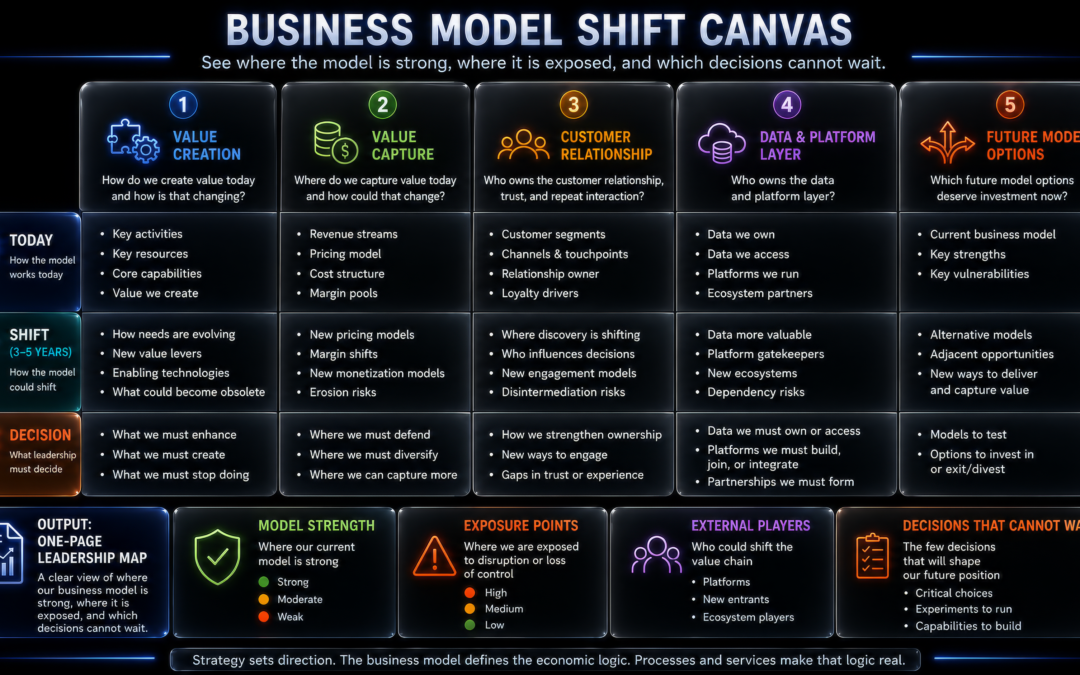
Digital Transformation for Leaders, Step 5: Business Models and the Business Model Shift Canvas
A private clinic kept delivering excellent care and still lost control of the customer relationship to a booking platform. Here is the five-year displacement test and the one-page canvas built to catch it before it happens to you.
Questions This Hub Helps Answer
While writing these articles, I am involved in a continuous process of exploring how to better understand the strategic questions that shape transformation results. My task is to crystallize ideas and explore the real decisions leaders face when priorities conflict, when AI outpaces the organization, and when execution is more complex than the strategy. These articles are my way of working through those questions and trying to find answers that are more clear and practically relevant.
-
- What makes digital transformation efforts fail?
- What should an AI strategy actually include?
- How do organizations move from pilot to value?
- How should leaders prioritize transformation?
Transformation Strategy
Define clear direction and priorities. Understand how to move from vision to executable strategy without creating fragmentation.
AI Adoption & Scaling
From pilots to production. Learn how to structure AI initiatives that create real value and avoid isolated experiments.
Operating Models
Design how teams, platforms, and processes work together to support transformation at scale.
Execution & Prioritization
Transformation is about choices. Explore how leaders prioritize, sequence initiatives, and avoid spreading efforts too thin.
Digital Transformation for Leaders, Step 5: Business Models and the Business Model Shift Canvas
A private clinic kept delivering excellent care and still lost control of the customer relationship to a booking platform. Here is the five-year displacement test and the one-page canvas built to catch it before it happens to you.
Digital Transformation for Leaders, Step 4: Strategy and the Value Evolution Map
Rolls-Royce sells flying hours now, not engines. That is not the lesson. The lesson is the question they answered first: what are customers actually paying for? Here is the 15-minute test that forces the same answer out of your team.
Digital Transformation for Leaders, Step 3: Evaluation and the Transformation Reality Map
Air Canada lost a tribunal over a chatbot’s wrong answer. The chatbot exposed a problem for which there was no clear answer. Here’s the ten-minute test and the five-lens map that catches it first.
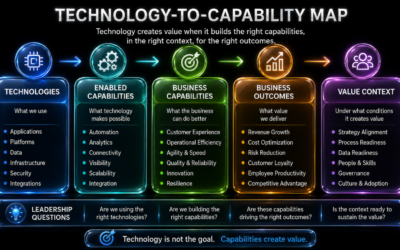
Digital Transformation for Leaders, Step 2: Technology and the Technology-to-Capability Map
Lidl spent seven years and roughly 500 million euros on SAP before scrapping it. The platform worked fine. What failed was the fit, and that gap is exactly what step two’s framework is built to catch.
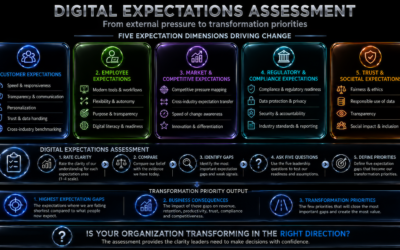
Digital Transformation for Leaders, Step 1: Society and the Digital Expectations Assessment
BMW’s $18-a-month heated seats sound like a pricing story. It’s actually a lesson in reading customer expectations, with five questions and a free assessment you can run on your own organization this week.
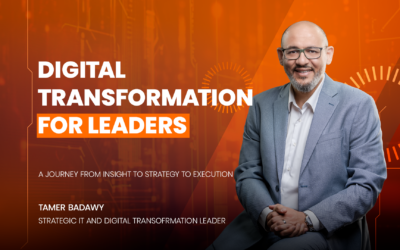
Digital Transformation for Leaders: A Nine-Step Journey from Insight to Strategy to Execution
The model behind Tuesday’s episode: three phases, nine steps, and a three-question readiness test you can run on your own organization today. Nine real companies show up across the series, one per step, starting next Friday.
Bring these insights to your organization.
If you are defining or leading a digital transformation and need clarity on strategy, operating models, or AI adoption, I support organizations through strategic advisory on transformation, technology direction, and execution.
Explore other insights
Executive & Leadership Insights
Leadership decisions, governance, and how CIOs and executives navigate complexity and drive transformation at the top level.
Modern IT & AI Infrastructure
The technical foundation required to scale AI, secure data, and operate resilient, future-ready platforms.
Industry Playbooks
How digital transformation and AI play out across industries, including manufacturing, healthcare, finance, and beyond.
AI, Ethics & Society
The broader impact of AI and digital systems on people, organizations, and society, from ethics to digital wellbeing.